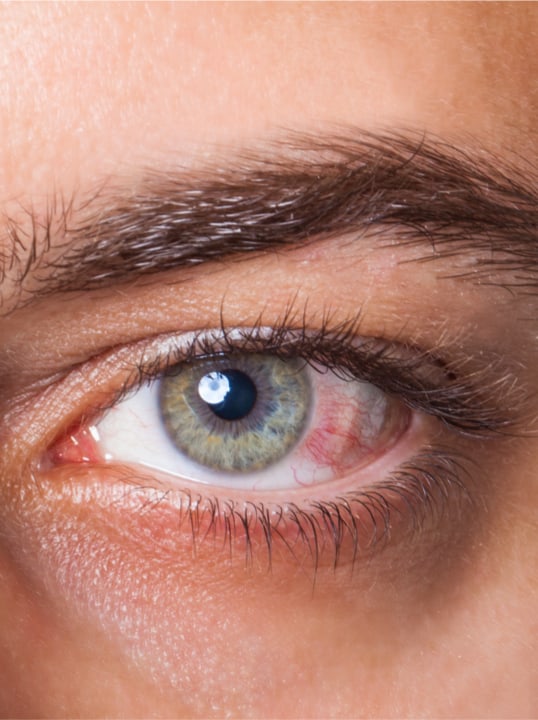

Astigmatism is a common eye condition that affects many people worldwide. It occurs when the cornea or lens of the eye has an irregular shape, leading to blurred or distorted vision.
While astigmatism is a manageable condition, it can worsen over time for various reasons, including eye strain and fatigue, age, injuries to the eyes, keratoconus, genetics, and inadequate vision correction. Understanding these causes and implementing strategies to manage and prevent further deterioration—like getting regular eye exams—is crucial for maintaining eye health.
Introduction to Astigmatism
Astigmatism is a refractive error where the cornea or lens has an irregular shape, similar to a football rather than round like a basketball. This irregularity causes light to refract unevenly, leading to blurred or distorted vision at all distances.
Unlike nearsightedness or farsightedness, which affect vision clarity at specific ranges, astigmatism causes general blurriness and distortion. It is diagnosed through comprehensive eye exams, including visual acuity tests and keratometry.
These assessments help determine the best corrective options, such as prescription lenses or refractive surgery, to help you achieve clear, comfortable vision.
Common Causes of Worsening Astigmatism
Several factors can contribute to the worsening of astigmatism. Understanding these can help in managing the condition effectively:
- Eye strain and fatigue: Prolonged activities that require focusing, such as reading or using digital devices, can lead to eye strain. Over time, excessive eye strain may exacerbate astigmatism symptoms.
- Age: As we age, our bodies undergo various changes, including changes in the eyes. The cornea can become less flexible and more irregular with age, potentially worsening astigmatism.
- Eye injuries: Trauma or injury to the eye can alter the shape of the cornea, making astigmatism more pronounced. It is crucial to protect your eyes during activities that pose a risk of injury.
- Keratoconus: This progressive eye disease affects the cornea, causing it to thin and bulge into a cone-like shape. Keratoconus can lead to severe astigmatism if not diagnosed and treated early.
- Genetic factors: Astigmatism often runs in families. If you have a family history of the condition, you may be more prone to its progression.
- Inadequate vision correction: Not wearing the correct prescription glasses or contact lenses can strain the eyes, potentially worsening astigmatism over time.

Tips for Managing & Preventing Further Deterioration
While astigmatism cannot be completely prevented, certain measures can help manage the condition and prevent it from worsening:
- Regular eye exams: One of the most effective ways to manage astigmatism is by having regular eye exams. Eye care professionals can monitor changes in vision and adjust prescriptions as needed.
- Proper vision correction: Ensuring that you have the correct prescription for glasses or contact lenses is vital. Corrective lenses can help reduce eye strain and improve vision clarity.
- Protective eyewear: If you engage in activities that could potentially harm your eyes, such as sports or working with hazardous materials, wearing protective eyewear can prevent injuries that may worsen astigmatism.
- Limit screen time: Reducing the amount of time spent on digital devices or taking frequent breaks can help minimize eye strain. The 20-20-20 rule—taking a 20-second break to look at something 20 feet away every 20 minutes—can be beneficial.
- Healthy lifestyle: Maintaining a healthy lifestyle, including a balanced diet rich in vitamins and nutrients that support eye health, can be beneficial. Foods rich in omega-3 fatty acids, vitamins A, C, and E, and zinc are particularly helpful.
- Eye exercises: Certain eye exercises may help improve focus and reduce eye strain, although they are not a substitute for professional treatment.
The Importance of Professional Care
Astigmatism is a condition that requires professional management. Regular visits to an eye care provider like McCauley Celin Eyecare Associates mean the condition can be monitored closely.
While astigmatism is a common and manageable condition, being proactive in understanding and addressing its causes is crucial. Regular eye exams, appropriate vision correction, and lifestyle adjustments can significantly help in managing astigmatism and preventing it from worsening. By taking these steps, individuals can enjoy clearer vision and better eye health throughout their lives.
Maintaining good vision health starts with regular eye checkups. At McCauley Celin Eyecare Associates, our experienced team is here to support your eye care needs with experience and care. Consider scheduling an eye exam today to put your eye health first. Your vision is important—let us help you keep it sharp and clear.